

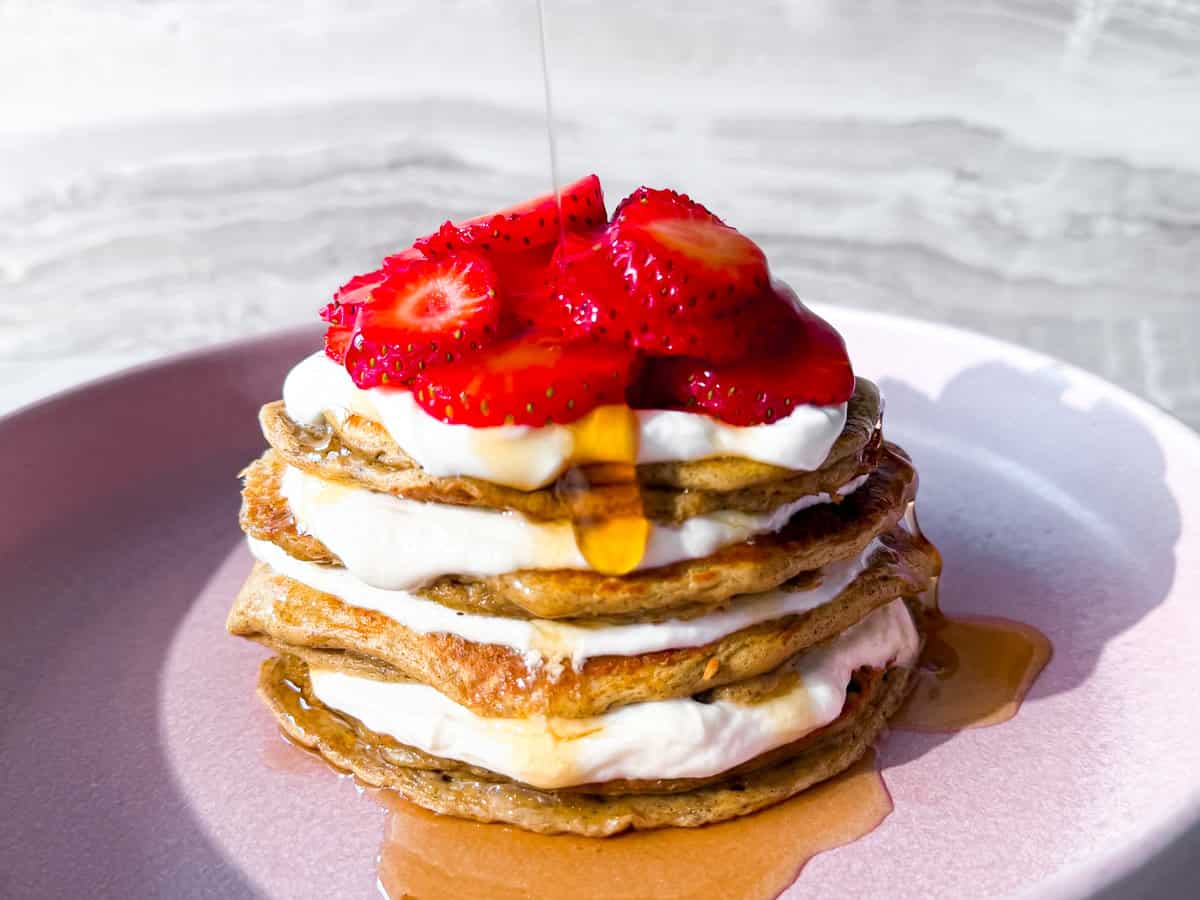
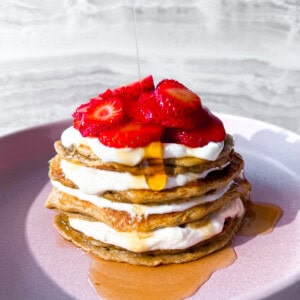
These Gluten-Free Cottage Cheese Pancakes are irresistibly fluffy, naturally sweet, protein-packed, and come together in under 20 minutes. Made with simple staples like rolled oats, eggs, and cottage cheese, they're perfect for meal prep or a lazy weekend breakfast.
As a gluten-free recipe creator with celiac disease, I've spent years perfecting gluten-free recipes through lots of testing & experimenting. For this recipe, I have tested many different cottage cheese curds and fat levels to achieve a texture and flavor that's amazing & consistent every time!
A Quick Look At The Recipe
- Total Time: 20 minutes
- Recipe Difficulty: Easy
- Cooking Method: Stovetop (griddle or skillet)
- Main Ingredients: Cottage cheese, oats, eggs, maple syrup
- Dietary Info: Gluten-free, vegetarian, high-protein
- Serves: 2
- Calories: 243 per serving
Summarize & Save This Content On
Featured Review
Very impressed with how these turned out! The texture was great, and the flavor was so good!
- olivia
Whether you want a high-protein breakfast or a quick gluten-free option, these pancakes deliver. The cottage cheese blends smoothly for a light, airy texture. Top with Greek yogurt, berries, or nut butter for extra flavor!
If you love healthy pancake recipes, try my Protein Pancakes Without Protein Powder, Gluten-Free Lemon Blueberry Pancakes, or Gluten-Free Pumpkin Pancakes!
Why You'll Love This Recipe
- High in Protein: Each serving packs 20g+ of protein from cottage cheese and eggs, no protein powder required.
- Ready in 20 Minutes: Blend, pour, flip.
- No Refined Sugar: Sweetened with pure maple syrup for natural sweetness.
- Meal Prep Friendly: Make a batch, freeze, and reheat all week.
- Fluffy Pancakes: My secret? Using both baking soda & powder for the perfect rise.
- Certified Gluten-Free: Made with ground rolled oats instead of wheat flour (use certified GF oats).
Key Ingredients
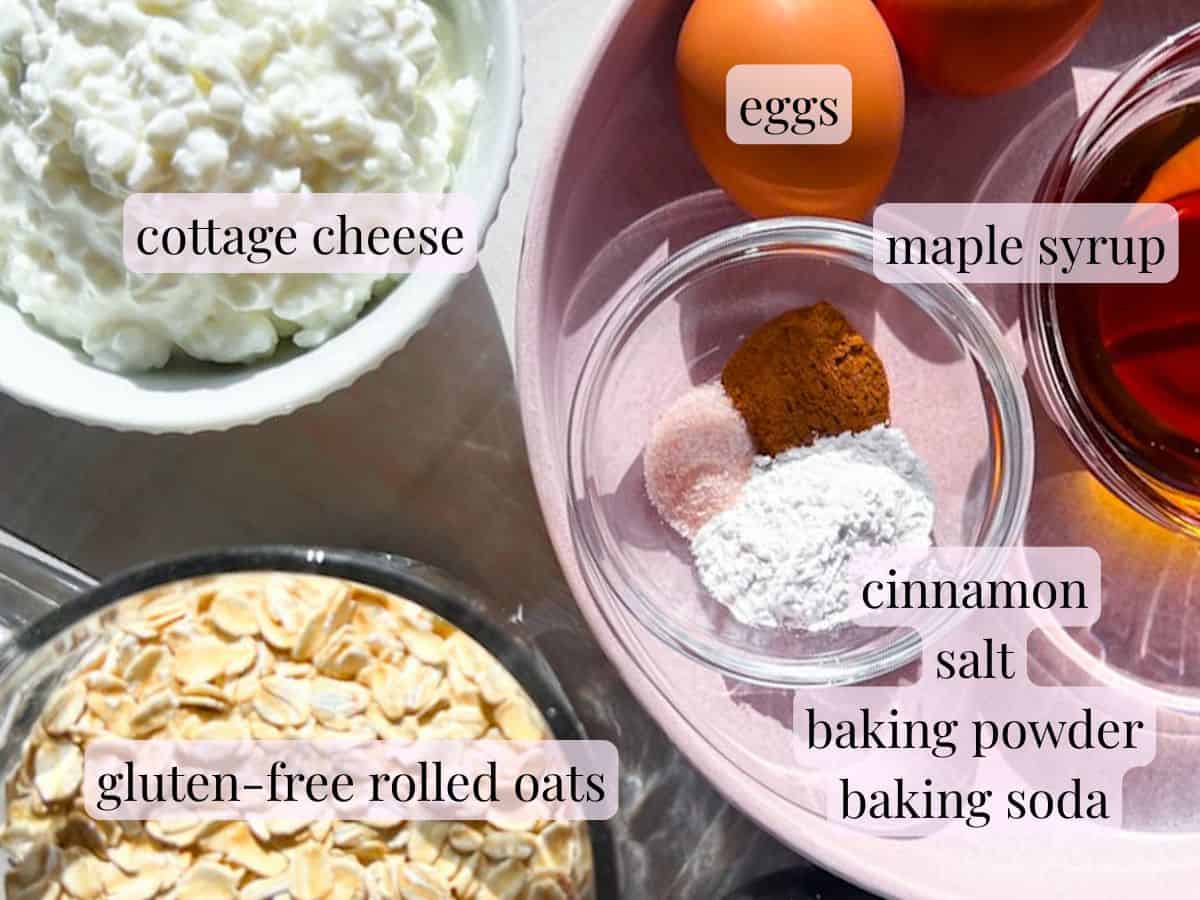
- Cottage Cheese: Small-curd cottage cheese (4% milkfat) creates the best, fluffiest texture. Fat-free versions work, but yield denser pancakes (see FAQs below).
- Rolled Oats: Blended oats act like flour and add fiber.
- Baking Powder & Baking Soda: I use both for the best rise. This is my secret!
- Eggs: Help bind the batter and add structure to the pancakes.
- Maple Syrup: Adds natural sweetness without refined sugar.
Substitutions & Variations
- Flour Alternatives: You can use almond flour, coconut flour, or cassava flour. If gluten isn't a concern, you can use all-purpose or whole-wheat flour.
- Sweetener Swaps: Feel free to replace maple syrup with honey or agave.
- Egg-Free: Use flax eggs (1 tablespoon ground flaxseed + 3 tablespoon water per egg, let sit 5 minutes).
- Flavor Variations: Add chocolate chips, blueberries, or mashed banana with cinnamon/nutmeg for a banana pancake, or even pumpkin puree with pumpkin spice for a fall flair.
How To Make Gluten-Free Cottage Cheese Pancakes
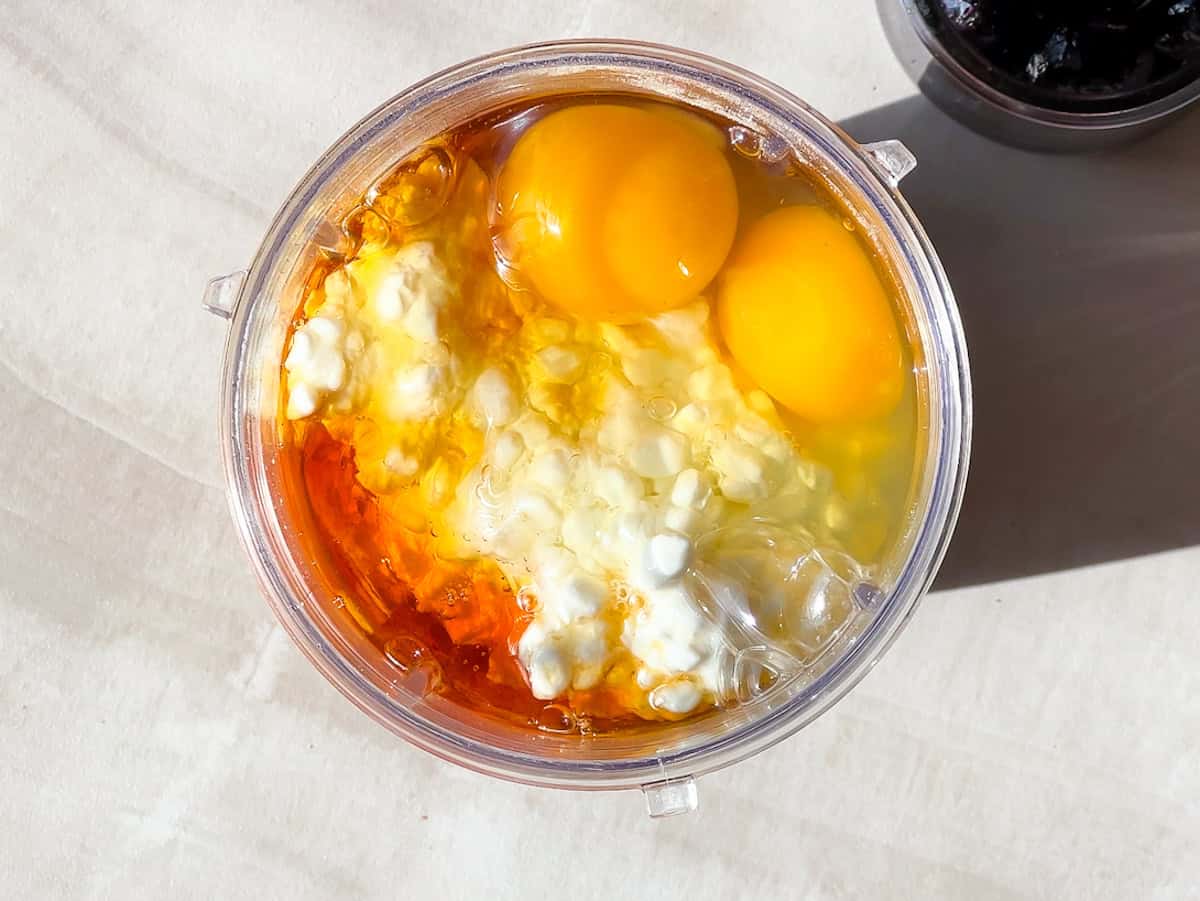
- Step 1: In a high-speed blender, add the gluten-free rolled oats and blend until they reach a flour-like consistency. Add the cottage cheese, egg, maple syrup, cinnamon, salt, baking soda & baking powder. Pulse 5-7 times until just combined. The batter should be slightly lumpy. If you over-blending it develops the casein in cottage cheese, creating a dense, rubbery texture.
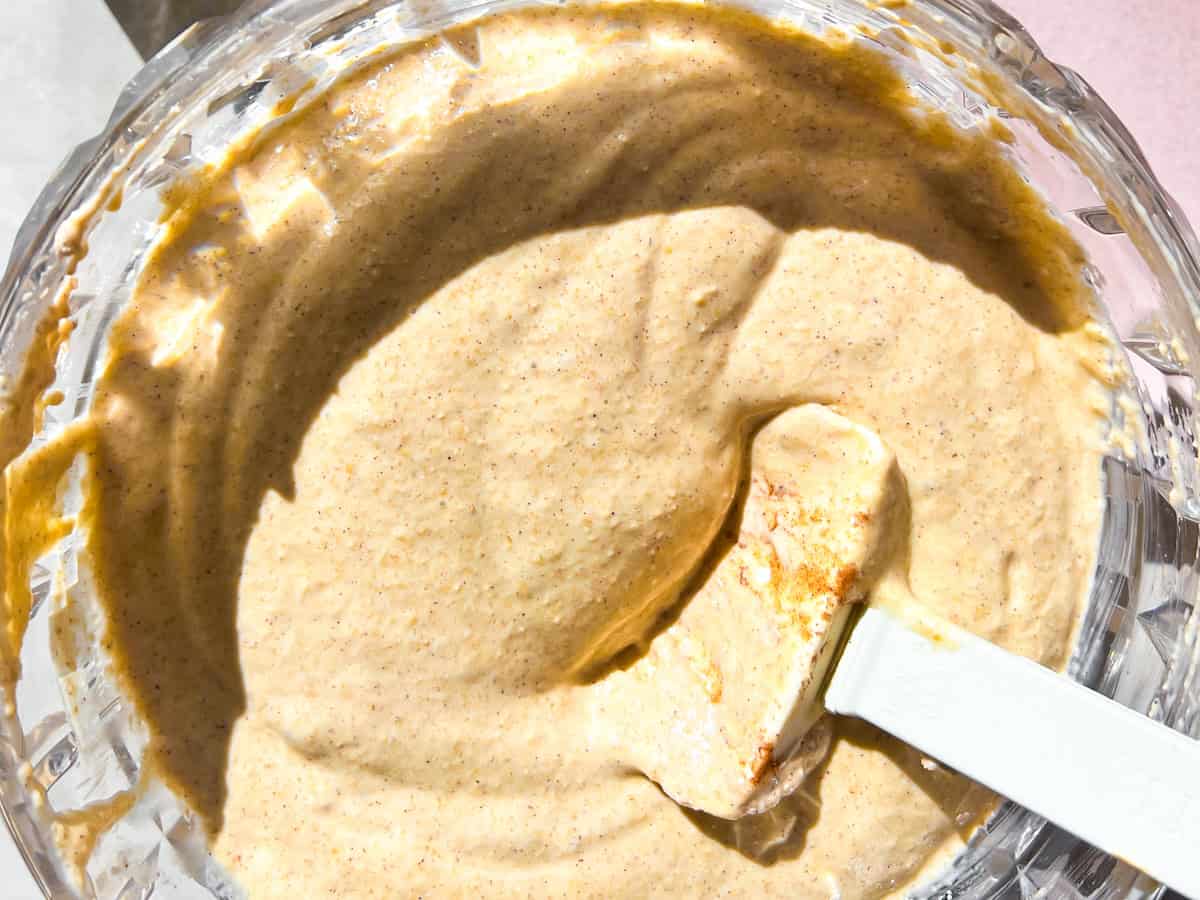
- Step 2: Allow the batter to sit for 5 minutes so the oat flour hydrates and the baking soda reacts with the lactic acid in the cottage cheese, forming air bubbles for fluffy pancakes.
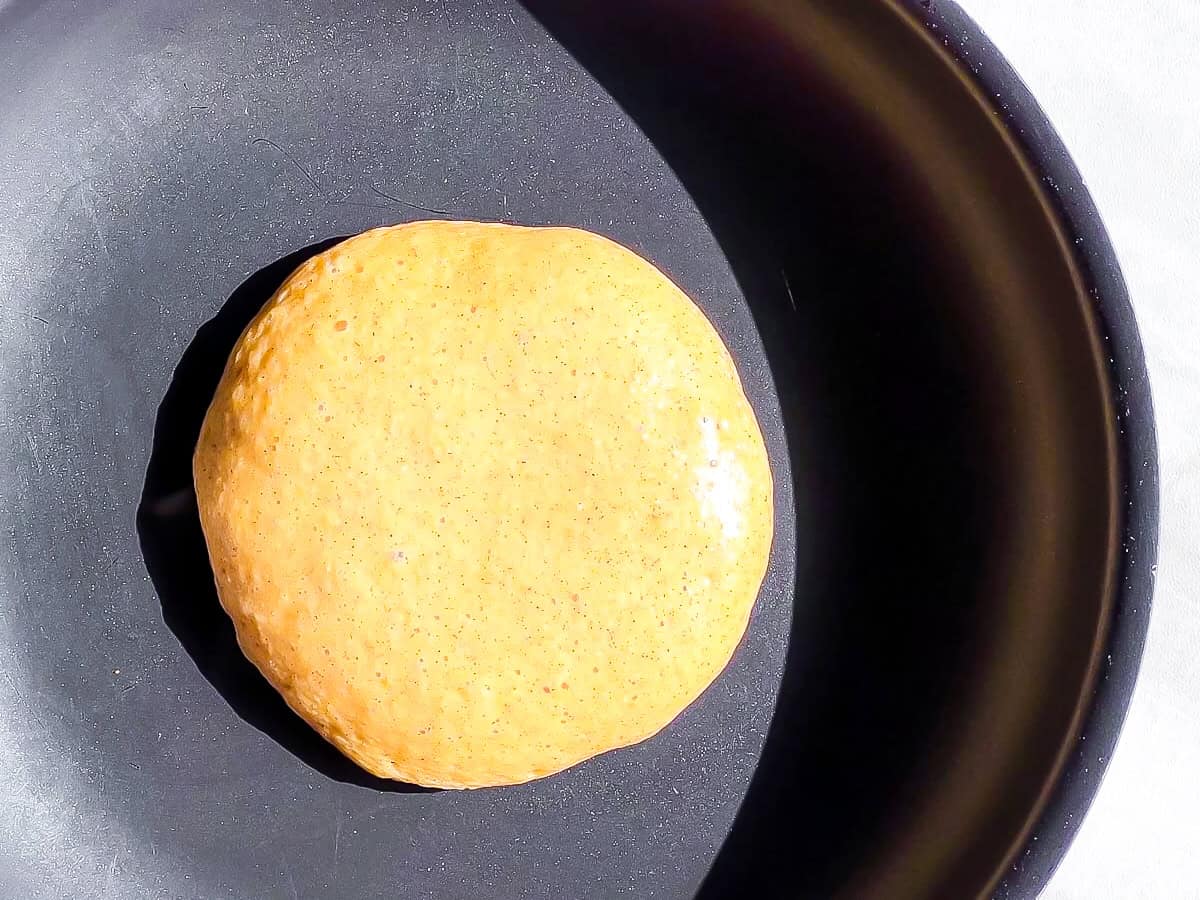
- Step 3: Preheat a non-stick skillet or griddle over medium heat (about 325°F) and lightly grease. Pour ¼ cup batter per pancake, cooking 2-3 minutes until bubbles form and edges set. Flip carefully and cook 1-2 minutes more until golden brown.
- Step 4: Cool the pancakes on a wire rack to prevent sogginess, then top with Greek yogurt, berries, more maple syrup, or your favorite nut butter. Stack only when ready to eat.
Save This Recipe!
Expert Tips
- Use Small-Curd, Full-Fat Cottage Cheese: 4% milkfat cottage cheese blends smoothly and adds moisture without excess liquid.
- Pulse, Don't Blend: Over-blending activates the casein protein in cottage cheese, causing rubbery pancakes. Pulse 5-7 times max; the batter will be slightly lumpy.
- Avoid Soggy Pancakes: Steam from hot pancakes condenses when stacked, creating a soggy bottom layer. Cool pancakes on a wire rack for 2-3 minutes before stacking to prevent syneresis (liquid separation).
- Cook On Medium Heat: If the pancakes brown too fast but stay raw inside, lower the heat. If they don't bubble, increase it slightly. Medium heat (325°F) is the sweet spot.
Gluten-Free Cottage Cheese Pancakes Frequently Asked Questions
Certified gluten-free oat flour is the best 1:1 substitute for all-purpose flour in pancakes. It's naturally gluten-free, high in fiber, and creates a tender texture. You can also use almond flour or a gluten-free all-purpose blend (look for one with xanthan gum for structure).
Curd size matters. Small curds create a smoother batter and more uniform texture, while large curds will create lumpier pancakes. Milk fat percentage also impacts structure, 4% fat gives the fluffiest, most tender pancakes, 2% works but can be slightly drier, and fat-free cottage cheese is less recommended because it can produce denser, rubbery pancakes due to reduced fat and moisture.
Gluten-free flours like oat flour lack gluten, so the amylopectin starches need time to fully hydrate. Resting allows the batter to thicken and ensures a light, tender texture.
Cottage cheese contains casein and whey proteins, which denature when heated to trap air and create the pancakes' fluffy loft. The lactic acid in the cottage cheese adds a subtle sourdough-like tang, distinguishing these pancakes from traditional buttermilk versions.
Using both ensures the heavy cottage cheese batter gets the lift it needs to stay fluffy without the help of gluten. Baking powder provides a steady, timed rise, while baking soda reacts instantly with the cheese's acidity for an immediate boost. The soda also raises the batter's pH, which allows gluten-free flours to achieve a golden-brown crust instead of staying pale. This pairing balances the tangy flavor of the cheese while ensuring your pancakes are light rather than dense.
More Cottage Cheese Recipes I Love
Did you make this recipe?
Let me know your thoughts by leaving a comment and rating below. Also, share it on socials to let others know what you think! Be sure to tag @entirelyemmy so I can share your masterpiece with my followers! ✨
📖 Recipe
Gluten-Free Cottage Cheese Pancakes
Ingredients
- ½ Cup Rolled Oats gluten-free
- 1 Cup Cottage Cheese 4% milkfat
- 1 Tablespoon Maple Syrup
- 1 Egg
- ½ Tablespoon Baking Powder
- 1 Teaspoon Baking Soda
- 1 Teaspoon Cinnamon
- ½ Teaspoon Salt

Instructions
- In a high-speed blender, add the gluten-free rolled oats and blend until they reach a flour-like consistency. Add the cottage cheese, egg, maple syrup, cinnamon, salt, baking soda & baking powder. Pulse 5-7 times until just combined. The batter should be slightly lumpy. If you over-blending it develops the casein in cottage cheese, creating a dense, rubbery texture.
- Allow the batter to sit for 5 minutes so the oat flour hydrates and the baking soda reacts with the lactic acid in the cottage cheese, forming air bubbles for fluffy pancakes.
- Preheat a non-stick skillet or griddle over medium heat (about 325°F) and lightly grease. Pour ¼ cup batter per pancake, cooking 2-3 minutes until bubbles form and edges set. Flip carefully and cook 1-2 minutes more until golden brown.
- Cool the pancakes on a wire rack to prevent sogginess, then top with Greek yogurt, berries, more maple syrup, or your favorite nut butter. Stack only when ready to eat.
Notes
- Use Small-Curd, Full-Fat Cottage Cheese: 4% milkfat cottage cheese blends smoothly and adds moisture without excess liquid.
- Pulse, Don't Blend: Over-blending activates the casein protein in cottage cheese, causing rubbery pancakes. Pulse 5-7 times max; the batter will be slightly lumpy.
- Avoid Soggy Pancakes: Steam from hot pancakes condenses when stacked, creating a soggy bottom layer. Cool pancakes on a wire rack for 2-3 minutes before stacking to prevent syneresis (liquid separation).
- Cook On Medium Heat: If the pancakes brown too fast but stay raw inside, lower the heat. If they don't bubble, increase it slightly. Medium heat (325°F) is the sweet spot.
Olivia says
Very impressed with how these turned out! The texture was great and the flavor was so good!